

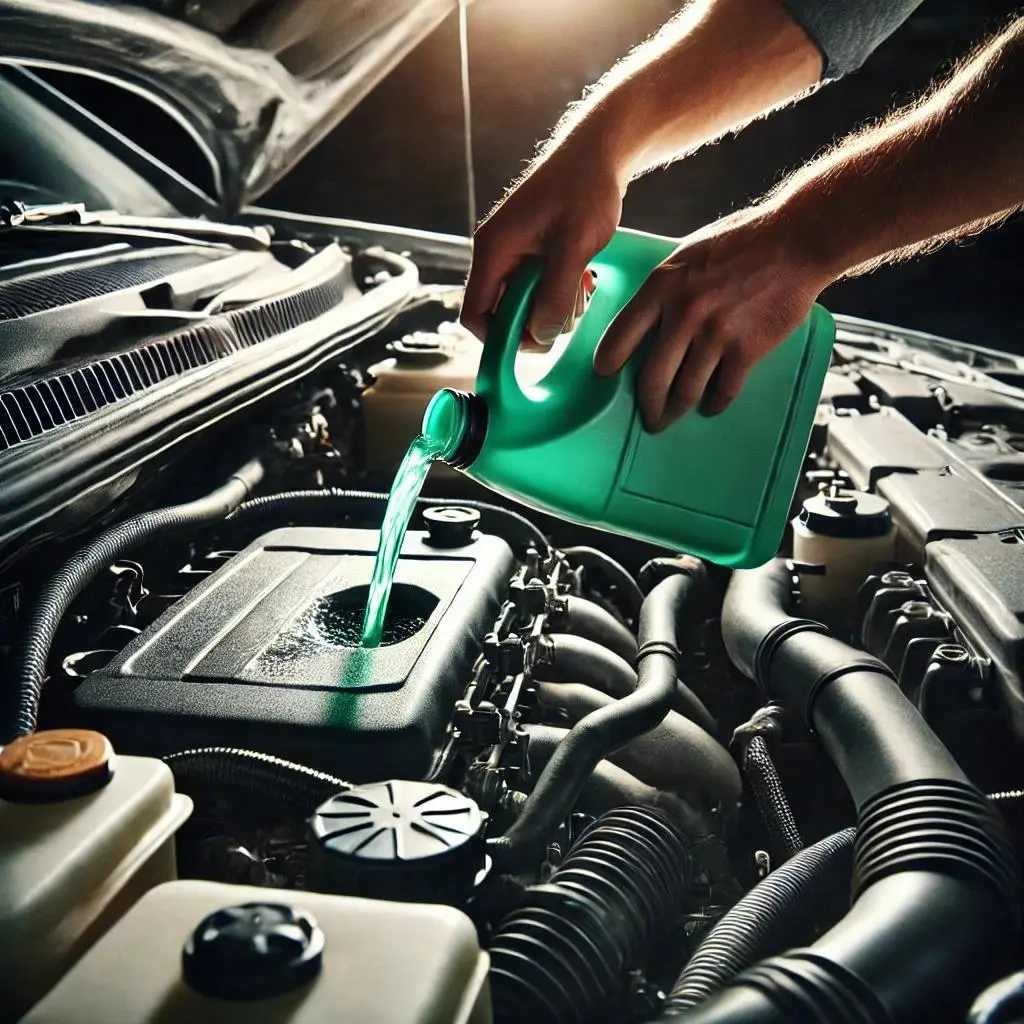
Coolant, or antifreeze, plays a very important role in the cooling of the internal combustion engine. Its primary function is to keep an engine cool and running ideally. Water mixed with corrosion is a problem. Then again the freeze prevention chemicals constitute the engine coolant. Coolant absorbs engine heat. It transfers it to the radiator for dissipation. This keeps the engine running at its best. It also prevents overheating damage. It’s important for every vehicle owner to understand the properties of engine coolant so they can avoid costly repairs. Continue reading to learn more about the critical functions of engine coolant.
Critical Engine Coolant Role
Knowing what engine coolant is and its maintenance is essential. Cooling of the engine is necessary. If the engine heat is not handled, it can overheat some components of the engine, leading to a severe breakdown. Overheating can also cause warping of parts made of metal as well as breaking down the seals and gaskets. This will lead to damaging the engine. The coolant absorbs heat, therefore reducing corrosion and rust of the cooling system of the engine. Due to this, the time usage of the engine and coolant is increased. Engine coolant also guards against overheating and provides lubricating properties to reduce friction and wear on moving parts within the cooling system, primarily the water pump, by providing a thin layer of lubrication on metal surfaces, thus protecting them from damage and extending their lifespan.
Every owner of the car should keep track and maintain the maintenance of the engine coolant. At Hunter’s Garage, we maintain a history of all maintenance services so it’s easy for our customers to take great care of their vehicles.
Engine Health
Coolant Flush Maintaining one’s vehicle’s cooling system involves coolant flush before winter. Drain and replace tainted coolant in your engine. With time, debris, corrosion, and particulates contaminate the coolant in your cooling system. A coolant flush removes these deposits and restores the temperature management of the cooling system. Flush the coolant every 30,000 miles or according to guidelines in the handbook of your car. Regular coolant flushes make an engine more efficient, prolong the life of an engine, and prevent overheating. Responsible car ownership incorporates a preventative maintenance schedule.
Longevity Engine Coolant Priority
You should be aware of how long to wait for the engine to cool down before adding coolant. Engine coolant is that thing that has always been significant for the performance of any car, besides for its lifetime. Every car owner should know about the engine coolant and its work in curbing overheating as well as corrosion.
Having an engine coolant fluid exchange before winter is an essential part of winter maintenance. Knowing when your engine coolant needs changed is an important part of overall vehicle maintenance. Knowing how to properly monitor your engine coolant level and add engine coolant if needed is important. At Hunter’s Garage, we’re glad to provide an in-person tutorial on how to do exactly that so you can drive with confidence. Make engine coolant a priority in your vehicle’s maintenance. If your vehicle is new to you or you are unsure if your engine coolant is due to be serviced, simply ask your service advisor. They’ll be glad to assist you.