

A small wet spot near your wheel might not look like a big deal. Many drivers ignore it, thinking it is water or road grime. When that liquid is brake fluid, the risk is far more serious than it appears.
Brake fluid leaks near the wheel can quietly weaken your braking system, often without loud warnings. By the time the problem becomes obvious, stopping the car safely may already be harder than it should be.
This guide explains why brake fluid leaks near the wheel, what causes it, how dangerous it can be, and why quick action matters more than most drivers realize.
What Brake Fluid Does in Your Vehicle
Brake fluid plays a critical role every time you press the brake pedal. It transfers pressure from your foot to the brake components at each wheel. This pressure allows the brake pads or shoes to clamp down and slow the car.
The system relies on sealed brake lines and components. If fluid escapes near a wheel, pressure drops. Less pressure means weaker braking power, longer stopping distances, and a higher chance of brake failure.
Why Brake Fluid Leaks Near the Wheel
Brake fluid leaks near the wheel usually point to a failure in one of the brake components located there. These parts face heat, moisture, dirt, and constant movement, which makes them more likely to wear out over time.
Worn Brake Hoses
Flexible rubber brake hoses connect the solid brake lines to the wheel assembly. These hoses move with the suspension and steering. Over time, rubber can crack, swell, or weaken.
Small cracks may seep fluid slowly at first. As the damage grows, the leak becomes more severe. This is one of the most common reasons brake fluid appears near a wheel.
Leaking Brake Caliper
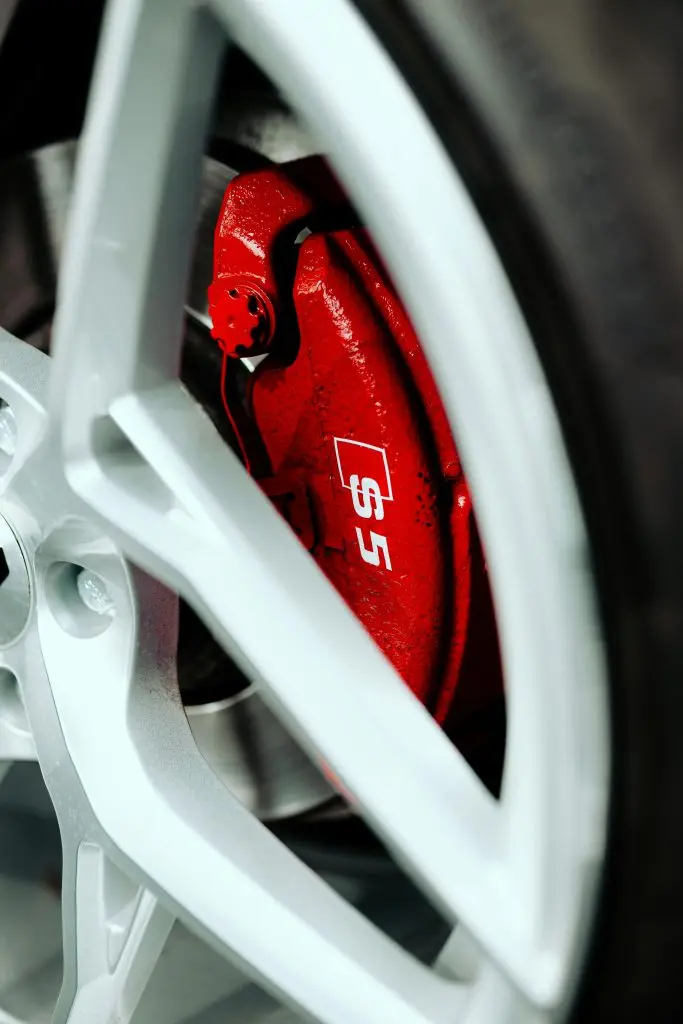
Disc brake systems use calipers to squeeze the brake pads against the rotor. Inside the caliper is a piston sealed by a rubber ring. When this seal wears out or tears, brake fluid can leak out.
A caliper leak often shows up as fluid behind the wheel or on the inside of the tire. It may also coat the brake pads, reducing friction and braking strength.
Failed Wheel Cylinder
Vehicles with drum brakes use wheel cylinders instead of calipers. These cylinders push the brake shoes outward. Internal seals can fail with age, causing brake fluid to leak inside the drum.
Since the leak is hidden, drivers may not notice it right away. By the time symptoms appear, braking power may already be reduced.
Rusted or Corroded Brake Lines
Metal brake lines run along the chassis and near the wheels. Road salt, moisture, and dirt can cause corrosion. Rust weakens the line until fluid begins to escape.
Leaks from corroded lines often worsen quickly once they start. A line that looks fine on the outside can suddenly fail under braking pressure.
Loose or Damaged Bleeder Screws
Bleeder screws allow air to be removed from the brake system during service. If one is loose, stripped, or damaged, brake fluid can leak near the wheel.
This type of leak may appear after recent brake work. It still poses a serious risk if left unchecked.
Signs of a Brake Fluid Leak Near the Wheel
Some leaks are easy to spot, while others give subtle warnings. Paying attention to these signs can help prevent dangerous situations.
Soft or Spongy Brake Pedal
When fluid escapes, air can enter the system. This often makes the brake pedal feel soft or spongy. You may need to press harder or farther to slow the car.
Brake Warning Light
Many vehicles have a brake warning light that activates when fluid levels drop. If this light comes on, the system needs immediate attention.
Fluid Puddle Near a Tire
Brake fluid usually looks clear to light brown and feels slick. A puddle near one wheel, especially after parking, should never be ignored.
Pulling to One Side When Braking
If one wheel loses brake pressure due to a leak, the car may pull to one side during braking. This can make steering harder and increase stopping distance.
Burning Smell or Smoke
Brake fluid leaking onto hot brake components can cause a sharp burning smell. In severe cases, light smoke may appear near the wheel.
How Dangerous Is a Brake Fluid Leak Near the Wheel?
A brake fluid leak near the wheel is one of the most dangerous issues a vehicle can have. Brakes are a safety system, not a comfort feature. Even a small leak can grow into a major failure faster than many drivers expect.
Increased Stopping Distance
With less hydraulic pressure, brakes cannot clamp with full force. This increases stopping distance, especially at higher speeds or during sudden stops.
Risk of Sudden Brake Failure
If enough fluid leaks out, the brake pedal can drop to the floor with little braking response. This can happen without warning, particularly during hard braking.
Uneven Braking and Loss of Control
Leaks near one wheel cause uneven braking. This imbalance can lead to skidding, pulling, or loss of control during emergency maneuvers.
Damage to Other Brake Parts
Brake fluid on pads, shoes, or rotors reduces friction. Contaminated parts often need replacement, increasing repair costs and safety risks.
Danger in Wet or Slippery Conditions
On wet roads, reduced braking power becomes even more dangerous. The margin for error shrinks, raising the chance of collisions.
Can You Keep Driving with a Brake Fluid Leak?
Driving with a brake fluid leak is never safe. Even short trips can turn risky because leaks often worsen quickly.
A slow seep can turn into a sudden burst when pressure builds during braking. If the brake pedal already feels soft or the warning light is on, driving should stop immediately.
If the vehicle must be moved, it should only be done at very low speed to reach a safe location or a tow truck pickup point.
What to Do If You Notice Brake Fluid Near the Wheel
Quick action can prevent serious accidents and reduce repair costs.
Stop Driving and Inspect Safely
Park the vehicle on level ground and avoid driving further. Look near the wheel for signs of fluid, but avoid touching hot brake parts.
Check the Brake Fluid Reservoir
Low fluid levels confirm a leak. Do not top it off and continue driving, as this only hides the problem temporarily.
Call for Professional Help
Brake systems require proper tools and experience. Our highly qualified and experienced automotive technicians at Hunter’s Garage can find the exact source of the leak and fix it safely.
Replace Damaged Parts Properly
Temporary fixes do not belong in brake systems. Hoses, calipers, cylinders, or lines should be replaced with quality parts and bled correctly.
How Brake Fluid Leaks Can Be Prevented
While some wear is unavoidable, good habits reduce the risk of sudden leaks.
Regular Brake Inspections
Routine inspections catch worn hoses, rusted lines, and failing seals before they leak.
Brake Fluid Changes
Old brake fluid absorbs moisture, which promotes corrosion inside the system. Timely fluid changes as recommended by your auto care experts at Hunter’s Garage will help protect seals and all of your brake parts.
Careful Brake Repairs
Improper installation can damage components or leave fittings loose. Skilled service lowers the chance of future leaks.
Watching for Early Warning Signs
Paying attention to pedal feel, warning lights, and unusual smells can reveal problems early.
Why Early Repair Saves Money and Lives
Fixing a small brake fluid leak costs far less than dealing with a full brake failure or accident. Early repair keeps braking balanced, encourages predictable stopping, and protects everyone on the road.
Ignoring a leak risks damage to rotors, pads, and tires. It also puts drivers, passengers, and others in danger every time the vehicle moves.
Final Thoughts
Brake fluid leaks near the wheel are never harmless. They signal a problem inside one of the most important safety systems in your vehicle. Even minor leaks can lead to longer stopping distances, uneven braking, or sudden brake failure.
If you notice fluid near a wheel, a soft pedal, or a brake warning light, treat it as urgent. Addressing the issue early keeps your vehicle safe, protects others on the road, and brings peace of mind every time you press the brake pedal. At Hunter’s Garage, our service advisors understand the urgency of brake concerns and will recommend same day free brake checks. The sooner we can get your vehicle assessed, the quicker your back to safe driving.