

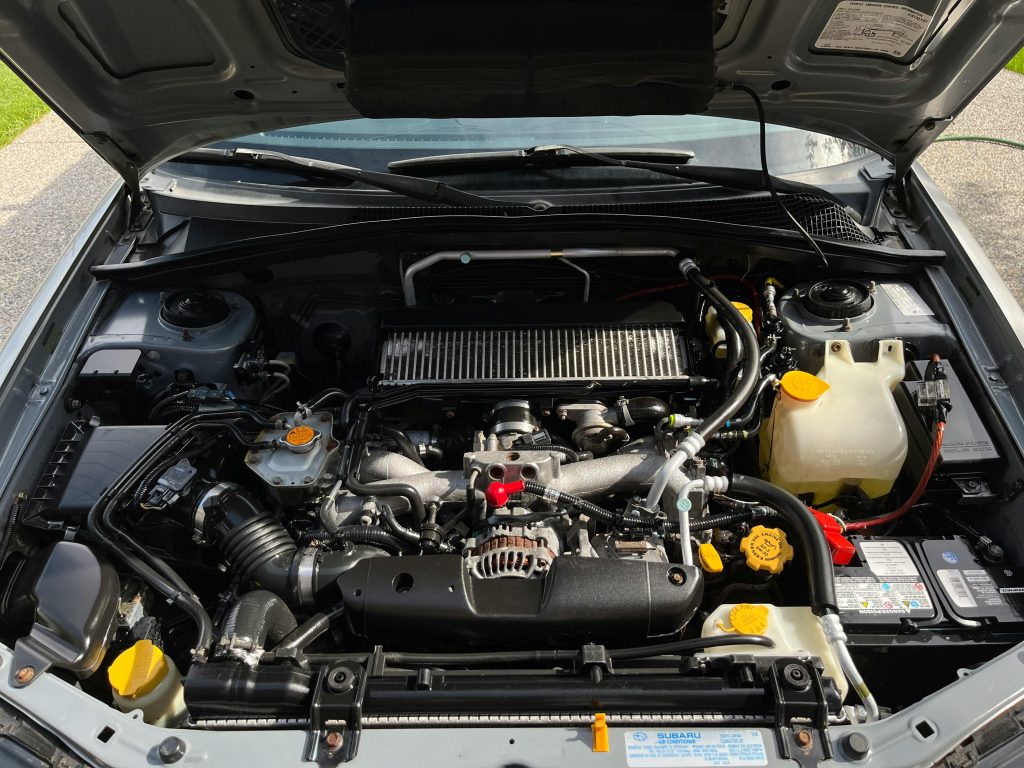
When you’re behind the wheel of your car, you probably focus on getting to your destination safely. You might glance at the fuel gauge or the speedometer once in a while, but you likely don’t think about what’s happening inside your engine.
Deep under the hood, however, many parts are working hard to keep everything running smoothly. One of the most important parts is the water pump.
Without it, your car could quickly overheat and leave you stranded.
In this article, we’ll explain exactly what a water pump does, how it keeps your engine cool, and why it’s so important to keep it in good shape.
What Is a Car Water Pump?
A water pump is a mechanical device that helps your car’s engine stay cool. Its main job is to circulate coolant through the engine and the radiator. Coolant, also called antifreeze, is a special liquid that absorbs heat from the engine and releases it through the radiator.
Think of your car’s water pump as its “circulatory system.” Just like your heart pumps blood to all parts of your body to keep you alive, the water pump pushes coolant through the engine to prevent it from overheating.
The water pump is usually located at the front of the engine, and it’s often powered by the serpentine belt, timing belt, or timing chain. It’s made of strong materials like aluminum or iron, and inside it has an impeller — a rotating blade that looks like a small fan. When the impeller spins, it pushes the coolant through the system.
Without a properly working water pump, coolant wouldn’t move. Heat would build up inside the engine, and eventually, the engine could suffer severe damage or even completely fail.
How Does the Water Pump Work?
When you start your engine, the water pump gets to work immediately. It’s connected to the engine by a belt or chain, so as the engine spins, the belt spins the pump’s shaft and impeller. This spinning action creates a flow of coolant that moves through the entire cooling system.
Here’s how the process works step-by-step:
- Coolant is pulled from the radiator into the engine.
- Coolant flows around the engine block and cylinder head, absorbing heat produced by the engine’s moving parts.
- Heated coolant returns to the radiator, where it’s cooled off by air flowing through the radiator fins.
- Cooled coolant then goes back to the engine to repeat the cycle.
This loop happens continuously while the engine is running. Thanks to the water pump, the engine temperature stays within a safe range, usually around 195°F to 220°F (90°C to 105°C).
Without this constant movement of coolant, the engine could overheat within just a few minutes, leading to major breakdowns.
Why Is the Water Pump Important?
The importance of the water pump can’t be overstated. It plays a huge role in keeping your engine healthy and extending your vehicle’s life. Here’s why it matters so much:
- Prevents Overheating: Engines generate a lot of heat when they burn fuel. If the heat isn’t carried away by the coolant, the engine parts can get dangerously hot.
- Protects Metal Components: Engine parts like pistons, cylinders, and valves are made of metal. Too much heat can cause these parts to warp, crack, or fail.
- Keeps Motor Oil Effective: Motor oil helps lubricate the engine parts, but if the engine gets too hot, the oil breaks down faster and can’t protect the engine properly.
- Ensures Good Performance: An overheating engine can lose power, run rough, and become less fuel-efficient.
- Saves You Money: Replacing an engine is very expensive. Keeping the water pump working properly can prevent costly engine repairs.
In short, a working water pump is key to keeping your car reliable, efficient, and safe to drive.
Signs Your Water Pump Might Be Failing
Even though water pumps are built to last a long time, they can eventually wear out or break. Knowing the early warning signs can save you from a lot of trouble later. Here’s what to watch for:
- Coolant Leaks: If you see puddles of bright green, pink, or orange fluid under your car, it could be a coolant leak. Water pumps have seals and gaskets that can wear out and allow coolant to escape.
- Engine Overheating: If your temperature gauge moves into the red zone, it’s a clear sign something is wrong. A failing water pump may not be pushing coolant properly.
- Strange Noises: A whining, squeaking, or grinding sound coming from the front of the engine could mean the water pump’s bearings are worn out.
- Steam from the Hood: If you notice steam or a sweet smell while driving, pull over immediately. Your engine could be dangerously overheated.
- Rust or Corrosion: If you or a mechanic notices rust or white deposits near the water pump, it might mean there’s a slow coolant leak, leading to corrosion.
If you notice any of these signs, it’s smart to have your car inspected right away. Catching water pump problems early can prevent a complete engine failure. You can reach your service advisor quickly by phone at 814-765-1285 or schedule an appointment online at huntersgaragepa.com at your convenience.
How a Bad Water Pump Affects Engine Cooling
When a water pump fails, the entire engine cooling system is disrupted. Here’s what happens:
- Coolant Stops Moving Properly: Without the pump pushing it, coolant can’t circulate through the engine and radiator.
- Engine Heats Up Quickly: Since heat isn’t being carried away, temperatures inside the engine soar.
- Parts Get Damaged: Extreme heat can crack the engine block, warp cylinder heads, blow head gaskets, and ruin pistons.
- Vehicle Breaks Down: Once major damage occurs, the car might stop running altogether, leaving you stuck on the side of the road.
- Expensive Repairs: Replacing a broken engine can cost thousands of dollars — all because of a small part like the water pump.
Clearly, the water pump is small but mighty when it comes to protecting your car’s engine.
How to Take Care of Your Water Pump
Taking care of your water pump doesn’t require a lot of effort, but it does require some smart habits. Here’s how you can help your pump last longer:
- Change Coolant on Time: Over time, coolant can become dirty and corrosive. Fresh coolant helps prevent rust and buildup inside the pump. Your service advisor will provide engine coolant service recommendations based upon your engine coolant condition and mileage in order to protect all the parts in your coolant system and all the parts that rely on your engine coolant system to operate properly. We recommend an engine coolant service every 30,000 miles.
- Inspect Belts Regularly: The pump depends on the serpentine belt or timing belt to work. If the belt is cracked, worn, or loose, it could affect the pump. Your professional automotive technician at Hunter’s Garage carefully assesses your belts, tensioner assemblies, and pulleys during each oil service so you can make informed vehicle maintenance decisions.
- Fix Leaks Quickly: Even a small coolant leak should be fixed as soon as possible to protect the water pump and engine.
- Monitor Engine Temperature: If you notice your engine running hotter than normal, don’t ignore it. It could point to a water pump issue.
- Routine Maintenance Checks: Ask your mechanic to check the water pump whenever you get regular maintenance, especially during timing belt replacements (since the pump is often replaced at the same time). It’s important to know that it’s routine for our team of professional automotive technicians to assess for coolant leaks, upcoming maintenance services or past due maintenance services, especially engine coolant services and make recommendations. Your service advisor will gladly answer your questions and help you with a maintenance plan that best suits your needs.
Preventative care is the best way to avoid sudden water pump failure.
Final Thoughts
The car water pump may not be the first part you think about, but it’s one of the most important for your engine’s health. It constantly keeps coolant moving, carries away dangerous heat, and protects your engine from damage.
If the water pump fails, the results can be costly and stressful.
By understanding what the water pump does, watching for signs of trouble, and keeping up with maintenance, you can avoid major repairs and keep your car running smoothly for years to come.
Next time you take a drive, remember: your water pump is quietly doing a big job to keep you on the road!